
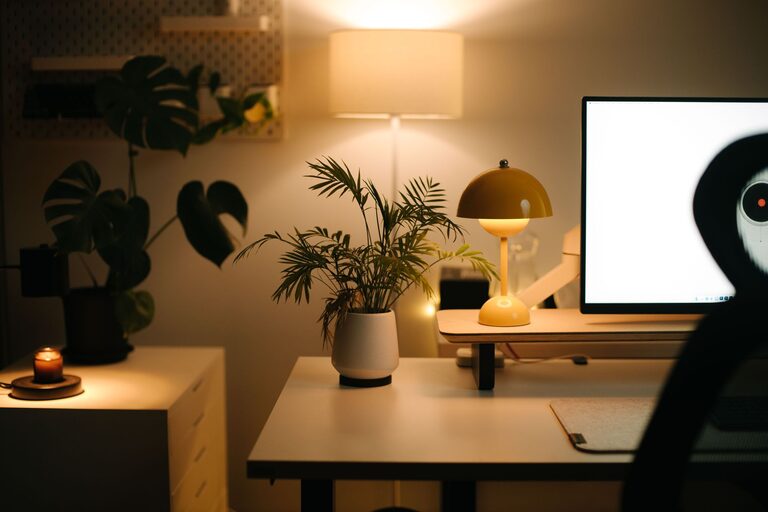
Creating a home workspace that feels both relaxing and productive can make a huge difference in how efficiently you work each day. When your environment supports your well-being, it’s easier to stay focused, motivated, and energized. Whether you’re working remotely full-time or just need a spot for occasional tasks, these tips will help you design a workspace that promotes calm and sharpens your productivity.
Why a Relaxing Workspace Matters
A comfortable, inviting workspace reduces stress and helps you concentrate better. By minimizing distractions and adding elements that soothe you, your home office can become a place you look forward to using. This contributes not only to better work outcomes but also to improved mental and emotional health.
Choose the Right Location
Find a Quiet Spot
Choose a part of your home that’s naturally quiet and away from high-traffic areas. If possible, avoid spaces near noisy appliances, televisions, or busy kitchens. A quieter area will reduce interruptions and help you focus on your tasks.
Consider Natural Light
Position your desk near a window to benefit from natural light, which can improve mood and alertness. If natural light isn’t an option, pick soft, warm lighting that won’t strain your eyes during long work sessions.
Invest in Comfortable and Functional Furniture
Ergonomic Chair
A supportive, ergonomic chair is essential. It supports your posture and prevents discomfort, which can significantly affect concentration and productivity.
Appropriately Sized Desk
Choose a desk that fits your space and provides enough room for your computer, paperwork, and essential tools. A clutter-free surface encourages clear thinking.
Keep Your Space Organized
Declutter Regularly
Clear away unnecessary items to reduce visual distractions. Use organizers, drawers, or shelves to neatly store supplies and documents.
Use Cable Management
Tidy up cords with clips or cable sleeves to prevent a messy look and avoid tripping hazards.
Personalize Your Workspace Mindfully
Add Greenery
Plants not only beautify your space but also improve air quality and reduce stress. Small potted plants or succulents are easy to care for and fit well on desks or shelves.
Display Inspirational Items
Incorporate a few meaningful objects like artwork, photos, or quotes that motivate you, but keep it balanced to avoid clutter.
Focus on Calming Colors and Textures
Colors and textures can affect your mood and focus:
– Use soft, neutral tones like blues, greens, or earthy shades to create a serene atmosphere.
– Add cozy elements like a soft rug or cushions to make the space inviting.
Control Noise Levels
Use Noise-Canceling Headphones
If ambient noise is unavoidable, noise-canceling headphones or earbuds can help maintain concentration.
Play Background Music or Sounds
For some, gentle background music or white noise helps maintain focus. Experiment with what works best for you, such as instrumental music or nature sounds.
Establish a Routine and Boundaries
Set Working Hours
Having a specific schedule helps your brain associate the workspace with productivity, while also allowing for relaxation during breaks.
Communicate Boundaries
If you share your home with others, set clear boundaries about when you should not be disturbed to maintain your focus.
Incorporate Break Areas
Designate a nearby spot for short breaks away from your desk. Stepping away briefly supports mental clarity and prevents burnout.
Incorporate Technology Wisely
Use Efficient Tools
Select reliable equipment and software that enhance productivity without adding frustration.
Avoid Overloading Your Desk
Keep only essential devices within reach to maintain a clean and organized environment.
Practice Mindfulness in Your Workspace
Take a moment before starting work to breathe deeply or do a short stretch. This helps transition your mind into a focused, calm state.
Final Thoughts
Designing a relaxing home workspace is a mix of thoughtful organization, comfort, and personalization. By paying attention to lighting, furniture, noise control, and your own habits, you can create a space where you feel calm and capable. A well-planned home office can greatly enhance your productivity and work satisfaction, making your workday more enjoyable and efficient.