
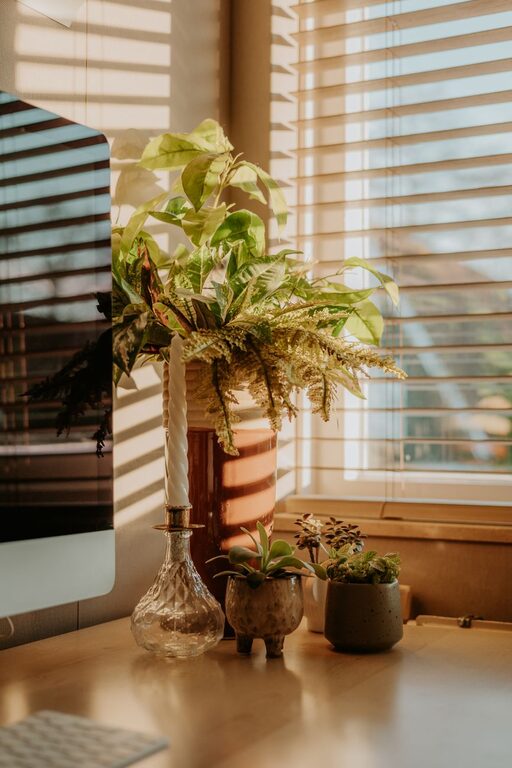
Creating a home office that balances comfort and efficiency can make a big difference in your daily work experience. Whether you’re working remotely full-time or just need a dedicated spot for occasional tasks, a cozy and productive workspace helps maintain focus and boost morale. This guide will walk you through simple strategies to set up an inviting and effective home office tailored to your needs.
Why a Cozy and Productive Home Office Matters
Working from home blurs the lines between personal and professional spaces. Without a thoughtfully designed office, distractions can multiply, and motivation might wane. A cozy setting invites you to settle in comfortably, while a productive layout ensures you can get your work done efficiently. Together, these elements help you stay organized, reduce stress, and maintain a healthy work-life balance.
Choose the Right Location
Start by selecting a suitable spot in your home for your office.
– Natural Light: Pick a space near a window if possible. Natural light improves mood and reduces eye strain.
– Low Traffic Areas: Choose a quiet corner away from household noise and high foot traffic.
– Space: Ensure enough room for a desk, chair, and any equipment you need without feeling cramped.
Even if space is limited, a small nook can be transformed into a focused work area with a little creativity.
Invest in Ergonomic Furniture
Comfort directly impacts productivity, so prioritize ergonomic furniture.
– Office Chair: Choose a chair with adjustable height, lumbar support, and cushioning to support proper posture.
– Desk: Select a desk that suits your tasks, whether it’s a standing desk or one with ample surface area for organizing items.
– Monitor and Keyboard Positioning: Position screens at eye level and keep your keyboard and mouse within a comfortable reach to avoid strain.
Comfortable furniture helps prevent physical discomfort that interrupts focus.
Personalize Your Space
Adding personal touches can make your office feel welcoming without creating distractions.
– Color Scheme: Use colors that inspire calm or creativity, such as soft blues, greens, or warm neutrals.
– Decorations: Add framed photos, artwork, or plants to enhance the ambiance.
– Lighting: Combine overhead lighting with a desk lamp to reduce glare and brighten your workspace during different times of the day.
Personalization encourages you to spend time in your office and can make working more enjoyable.
Organize Efficiently
A clutter-free workspace promotes clarity and efficiency.
– Storage Solutions: Use shelves, drawers, or baskets to keep supplies and documents tidy.
– Cable Management: Use clips or covers to keep cords organized and prevent tangles.
– Daily Declutter: Spend a few minutes at the end of each day tidying your desk to start fresh the next morning.
An orderly environment minimizes distractions and helps you find what you need quickly.
Incorporate Productivity Tools
Equip your home office with tools that support your work style.
– Planner or Whiteboard: Visual scheduling tools keep tasks and deadlines visible.
– Noise-Canceling Headphones: Block out background noise during concentrated work periods.
– Technology Setup: Ensure reliable Wi-Fi and backup power options to avoid interruptions.
Tailoring tools to your workflow makes your day smoother.
Maintain Good Air Quality and Temperature
Comfort extends beyond furniture and lighting.
– Ventilation: Open windows or use an air purifier to keep air fresh.
– Plants: Indoor plants can improve air quality and add a calming presence.
– Temperature Control: Adjust heating or cooling so you aren’t distracted by being too hot or cold.
Fresh air and a comfortable climate help sustain focus.
Establish Boundaries and Routine
To foster productivity, create clear workday boundaries.
– Set Working Hours: Define start and end times for your work period.
– Signal Your Workspace: If you share your home, use a “do not disturb” sign or communicate when you’re working.
– Take Breaks: Schedule regular short breaks to stretch or walk around for sustained focus.
Maintaining structure prevents work from spilling into personal time.
Conclusion
Designing a cozy and productive home office doesn’t require a major renovation. By thoughtfully choosing your location, prioritizing ergonomics, organizing efficiently, and personalizing your space, you’ll create an environment that supports focus and comfort. Remember that small changes can have a big impact on how you feel and perform during your workday. With these tips in mind, your home office can become a space you look forward to using every day.