
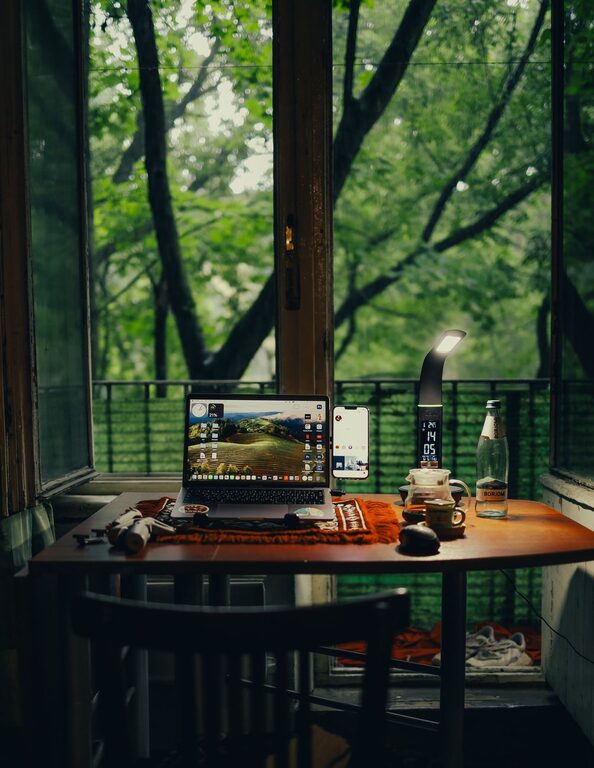
Creating a relaxing home workspace is essential for maintaining productivity, especially as more people work remotely. When your workspace feels comfortable and peaceful, it can help reduce stress and improve concentration. Below, you’ll find practical tips to transform any area in your home into a productive and soothing work environment.
Why a Relaxing Workspace Matters
A workspace that promotes relaxation doesn’t mean it’s cluttered or too casual. It means designing an environment that minimizes distractions, supports good posture, and encourages a clear state of mind. When your work area is inviting, you’re more likely to enjoy your tasks and maintain motivation throughout the day.
Choose the Right Location
Selecting the ideal spot in your home is the first step.
– Quiet corners: Find a space away from household noise like TVs or kitchen activities.
– Natural light: Choose an area with plenty of daylight to support alertness and improve mood.
– Minimal interruptions: Ensure it’s a place where family members or roommates won’t frequently interrupt you.
Prioritize Comfort and Ergonomics
Comfort significantly impacts your ability to stay productive.
– Invest in a good chair: Select a chair that supports your back and encourages good posture.
– Adjust desk height: Make sure your desk allows your arms to rest comfortably while typing.
– Position your monitor: The top of the screen should be at eye level to reduce neck strain.
– Use footrests or cushions: These can help improve circulation and reduce fatigue during long work hours.
Declutter and Organize
A cluttered desk can lead to a cluttered mind.
– Keep only essentials within reach: Use trays, holders, or containers to keep items like pens, notebooks, and chargers organized.
– File paperwork promptly: Avoid piles of paper by regularly sorting or digitizing documents.
– Cable management: Use clips or sleeves to keep cords tidy and out of the way.
– Daily cleanup habit: Take a few minutes at the end of each workday to tidy up your space.
Incorporate Soothing Colors and Decor
Colors and decor affect your mood and focus.
– Choose calming colors: Blues, greens, and neutrals tend to be soothing and help concentration.
– Add personal touches: Include photos, artwork, or items that inspire you but avoid overcrowding.
– Bring in nature: Plants not only improve air quality but add a refreshing vibe to your workspace.
Control Lighting to Reduce Eye Strain
Good lighting is crucial for comfort and effectiveness.
– Use natural light when possible: Position your desk near windows, but avoid glare on your screen.
– Opt for adjustable lighting: A desk lamp with adjustable brightness allows you to customize lighting as needed.
– Consider warm vs. cool lights: Warm light creates coziness, while cool lights can boost alertness—use a balance that works best for you.
Set Boundaries and Minimize Distractions
A relaxing workspace also means knowing how to separate work from home life.
– Use noise-cancelling headphones or soft background music: This helps drown out distracting sounds.
– Set specific work hours: Communicate your schedule with family or housemates to respect your focus time.
– Turn off non-essential notifications: Silence phone alerts or apps that disrupt your concentration.
Add Comfort and Relaxation Elements
Including elements that help you relax can enhance your focus over time.
– A comfortable throw or cushion: Provides physical comfort and coziness.
– A small diffuser or scented candle: Scents like lavender or eucalyptus may promote calmness.
– Access to water or tea: Staying hydrated with your favorite beverage encourages small breaks that refresh your mind.
Take Regular Breaks and Move
Even the best workspace won’t help if you stay seated too long.
– Use a timer or app: Remind yourself to stand, stretch, or walk every hour.
– Incorporate simple stretches: Gentle movements help reduce tension and boost circulation.
– Step outside when possible: A few minutes outdoors can rejuvenate your focus.
Customize Your Space Over Time
Your workspace will evolve as you learn what works best.
– Try different layouts: Don’t hesitate to rearrange furniture or decor until you find the most comfortable setup.
– Experiment with tools and accessories: Items like a wrist rest, adjustable monitor stand, or standing desk can make a big difference.
– Listen to your needs: If something isn’t working, change it to better support your relaxation and productivity.
—
By thoughtfully creating a relaxing home workspace, you support both your well-being and your ability to work efficiently. Remember that small adjustments can make a big impact. Your home office should be a place where you feel calm, focused, and ready to tackle your daily tasks with ease.