
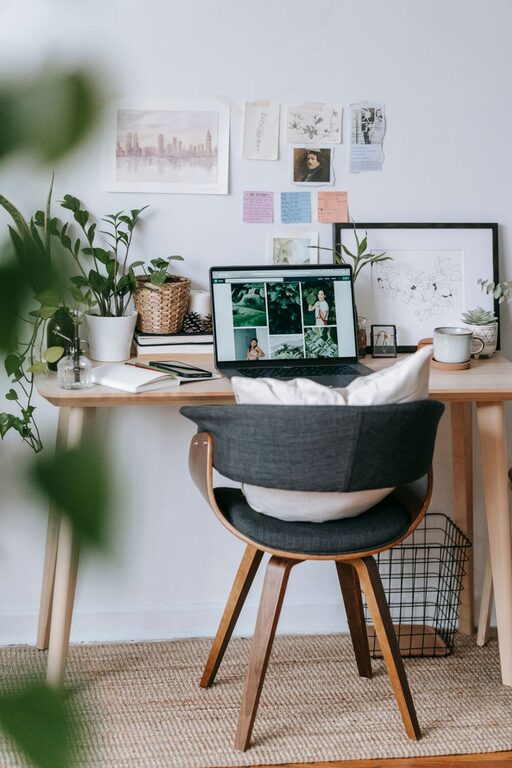
Creating a cozy and productive home office is essential for anyone who works remotely or spends a significant amount of time on personal projects. A well-designed workspace can boost your focus, reduce stress, and even enhance your creativity. Whether you have a dedicated room or just a small corner, there are plenty of ways to make your home office work for you.
In this post, we’ll walk through practical tips on how to build a comfortable, organized, and inspiring work environment at home.
Choose the Right Location
Prioritize Natural Light
If possible, set up your workspace near a window. Natural light improves mood and energy, making it easier to stay alert. Avoid placing your desk directly in front of the window to minimize screen glare. Instead, position it adjacent or at an angle.
Minimize Distractions
Choose a spot that’s quiet and away from high-traffic areas like the kitchen or living room. If you don’t have a separate room, use room dividers, curtains, or a dedicated desk setup to create a mental boundary between work and home life.
Invest in Comfortable Furniture
Ergonomic Chair
Your chair is the foundation of comfort in your home office. Look for one with adjustable height, good lumbar support, and cushioning. A comfortable chair prevents back pain and keeps you sitting correctly throughout the day.
Functional Desk
Select a desk that fits your space and your workflow. If you use multiple monitors or like to spread out documents, a larger surface is helpful. For those with limited space, consider wall-mounted desks or adjustable standing desks for flexibility.
Organize Your Workspace
Declutter Regularly
A cluttered workspace can distract your mind and decrease productivity. Keep only essential items on the desk, and organize supplies in drawers or storage boxes.
Use Storage Solutions
Incorporate shelves, filing cabinets, or drawer organizers to keep paperwork, notebooks, and office tools easy to find yet out of sight. Labeling your storage helps maintain order over time.
Personalize Your Space Tastefully
Add Plants
Indoor plants bring a touch of nature indoors and can improve air quality. Small succulents or low-maintenance plants like snake plants are great for desk spaces.
Choose Calming Colors
Soft, neutral tones such as light blues, greens, or earth tones create a calming atmosphere. You can inject personality with colorful artwork or cushions without overwhelming the space.
Incorporate Personal Items
A few personal touches like photos, inspirational quotes, or favorite trinkets can make the space feel inviting. Just be cautious not to overcrowd your desk with distractions.
Optimize Lighting
Layer Your Lighting
Combine ambient lighting (like ceiling lights) with task lighting (such as desk lamps) to reduce eye strain. Adjustable lamps let you control brightness exactly where you need it.
Use Warm Bulbs
Warm white bulbs create a cozy atmosphere that’s easier on your eyes during long work sessions. Avoid harsh, flickering fluorescents whenever possible.
Manage Cables and Technology
Cable Management
Use clips, sleeves, or under-desk trays to keep cords neat and avoid tangling. Organized cables reduce stress and prevent accidents like tripping.
Reliable Equipment
Invest in good-quality devices, including your computer, keyboard, mouse, and any other tools relevant to your job. This reduces technical interruptions and supports productivity.
Create a Routine-Friendly Setup
Zone Your Space
If your home office shares space with other functions, designate zones for different tasks — for example, computer work, reading, or brainstorming. This helps your brain switch between activities more smoothly.
Keep Essentials Within Reach
Organize your desk so that frequently used items are close by. This prevents unnecessary interruptions and keeps your workflow steady.
Maintain Healthy Habits
Take Breaks
Incorporate short breaks throughout your day to stretch, hydrate, and rest your eyes. Setting a timer or using apps can remind you to pause and recharge.
Incorporate Movement
If possible, consider a sit-stand desk or take quick walks at intervals. Staying physically active enhances focus and prevents fatigue.
Final Thoughts
Designing a cozy and productive home office is all about balancing comfort with functionality. By choosing the right location, investing in good furniture, organizing your supplies, and adding personal touches, you can create a workspace that motivates and inspires you every day. Remember, your home office should reflect your working style and support your health—so make it a place where you enjoy spending time.