
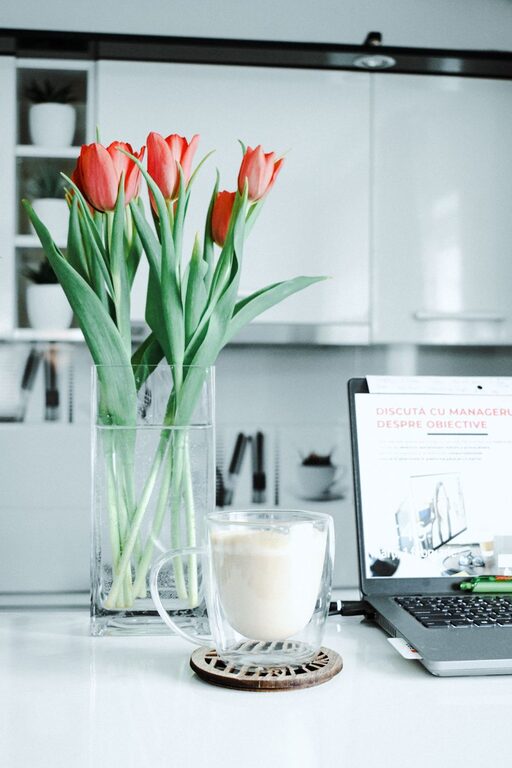
Creating a relaxing home workspace is key to maintaining productivity while working remotely or managing tasks at home. A comfortable, organized, and inviting environment encourages focus and reduces stress, making it easier to stay motivated and efficient throughout your workday. Whether you have a dedicated room or a small corner, these tips can help you transform your space into a productivity-boosting haven.
Why a Relaxing Workspace Matters
Working from home or anywhere outside a traditional office presents challenges, including distractions and the potential blending of personal and professional life. A relaxing workspace helps to:
– Improve concentration and reduce mental fatigue
– Encourage a positive work routine
– Enhance creativity and problem-solving
– Lower stress and increase comfort during work hours
Choosing the Right Location
Start by selecting a spot in your home that can be dedicated to work. Avoid common distractions and choose an area with:
– Adequate natural light: Exposure to daylight helps regulate your circadian rhythm and improves mood.
– Quiet surroundings: Find a space away from heavy foot traffic or noisy appliances.
– Enough room for essentials: Your desk, chair, and storage should fit comfortably without clutter.
Ergonomic Furniture for Comfort
Investing in ergonomic furniture supports your posture and prevents discomfort.
– Chair: Opt for an adjustable chair with good lumbar support.
– Desk: Choose a desk at the correct height to avoid strain.
– Accessories: Use a footrest or wrist rests if needed.
Proper ergonomics make long working hours more comfortable and reduce physical stress.
Organize and Declutter
A clean, organized workspace promotes focus.
– Keep only necessary items on your desk.
– Use drawers, shelves, or organizers to store supplies.
– Create a filing system for documents.
– Regularly tidy up to prevent clutter from building up.
Personalize Your Space with Calming Elements
Adding personal touches can make your workspace more welcoming and relaxing.
– Plants: Indoor plants improve air quality and add a touch of nature.
– Colors: Soft, neutral colors reduce distractions and create a calm vibe.
– Lighting: Use warm, adjustable lighting to avoid glare and eye strain.
– Artwork or Inspiring Quotes: Choose items that motivate without overwhelming.
Manage Noise and Distractions
Minimizing noise helps maintain concentration.
– Use noise-canceling headphones or soft background music.
– Close doors or use room dividers to separate work areas.
– Communicate boundaries with family members during work hours.
Incorporate Break Spaces
Taking regular breaks is essential for productivity.
– Create a nearby spot to step away from the desk, such as a comfy chair or a small lounge area.
– Use breaks to stretch, relax, or enjoy a beverage.
– Avoid working from bed or spaces associated with rest to keep work and relaxation zones distinct.
Establish a Routine
A consistent work routine signals your brain to switch into productive mode.
– Set regular work hours.
– Begin your day with a ritual like making coffee or light stretching.
– Plan daily goals and prioritize tasks.
Use Technology Wisely
Leverage technology to support a smoother workday.
– Keep cables organized to avoid tangling.
– Adjust screen brightness and use blue light filters in the evening.
– Utilize productivity apps or timers to stay on track.
Keep Air Quality and Temperature Comfortable
A pleasant atmosphere helps maintain alertness.
– Open windows for fresh air when possible.
– Use fans or heaters to maintain a comfortable temperature.
– Avoid overly dry or stuffy rooms.
—
Creating a relaxing home workspace doesn’t require a big budget or complete renovation. Small changes can significantly enhance your comfort and efficiency. By prioritizing comfort, organization, and personal touches, you can develop a workspace that not only supports productivity but also makes your workday more enjoyable.